
Nature Reserve,
Calderstones Park
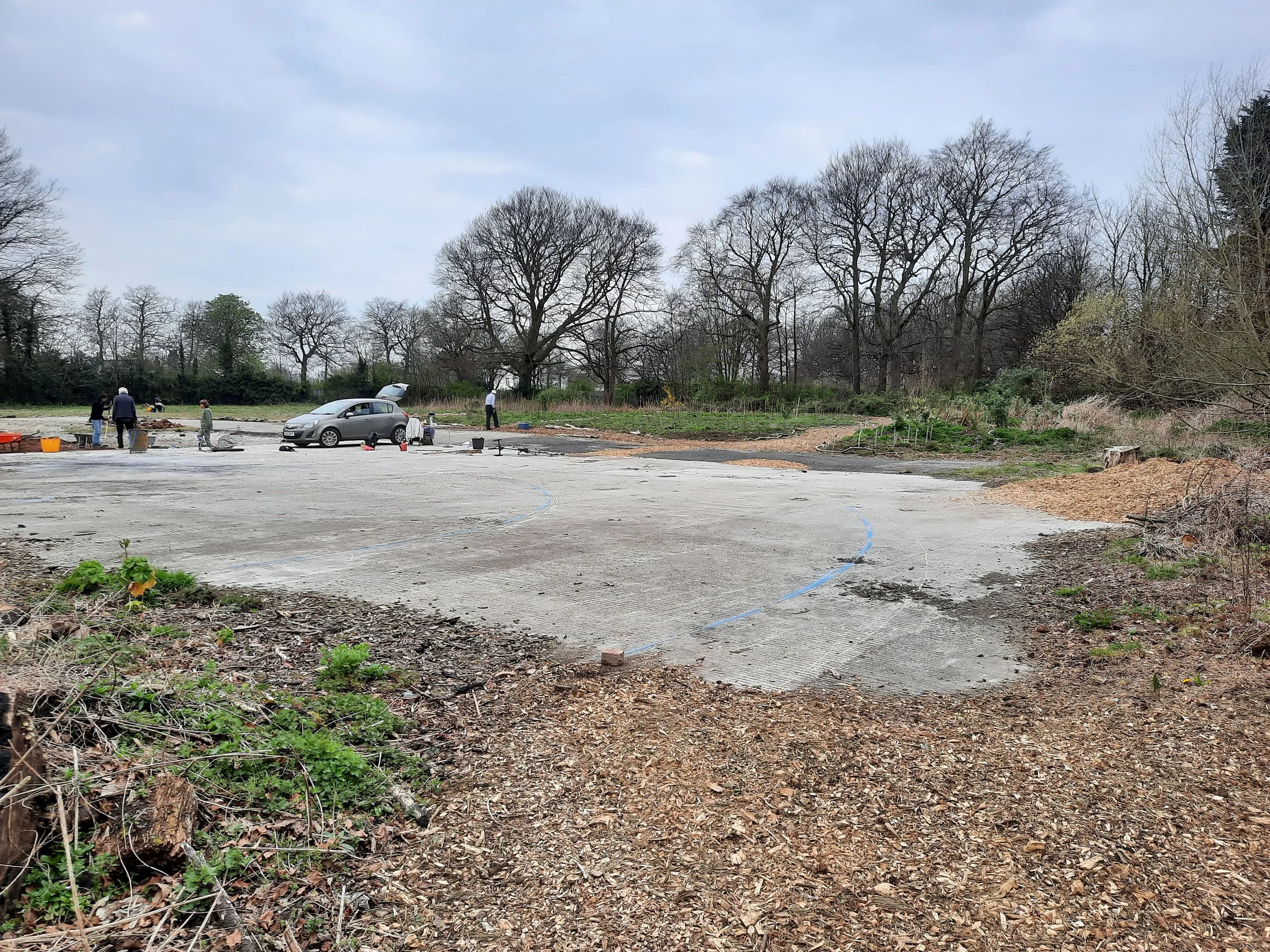
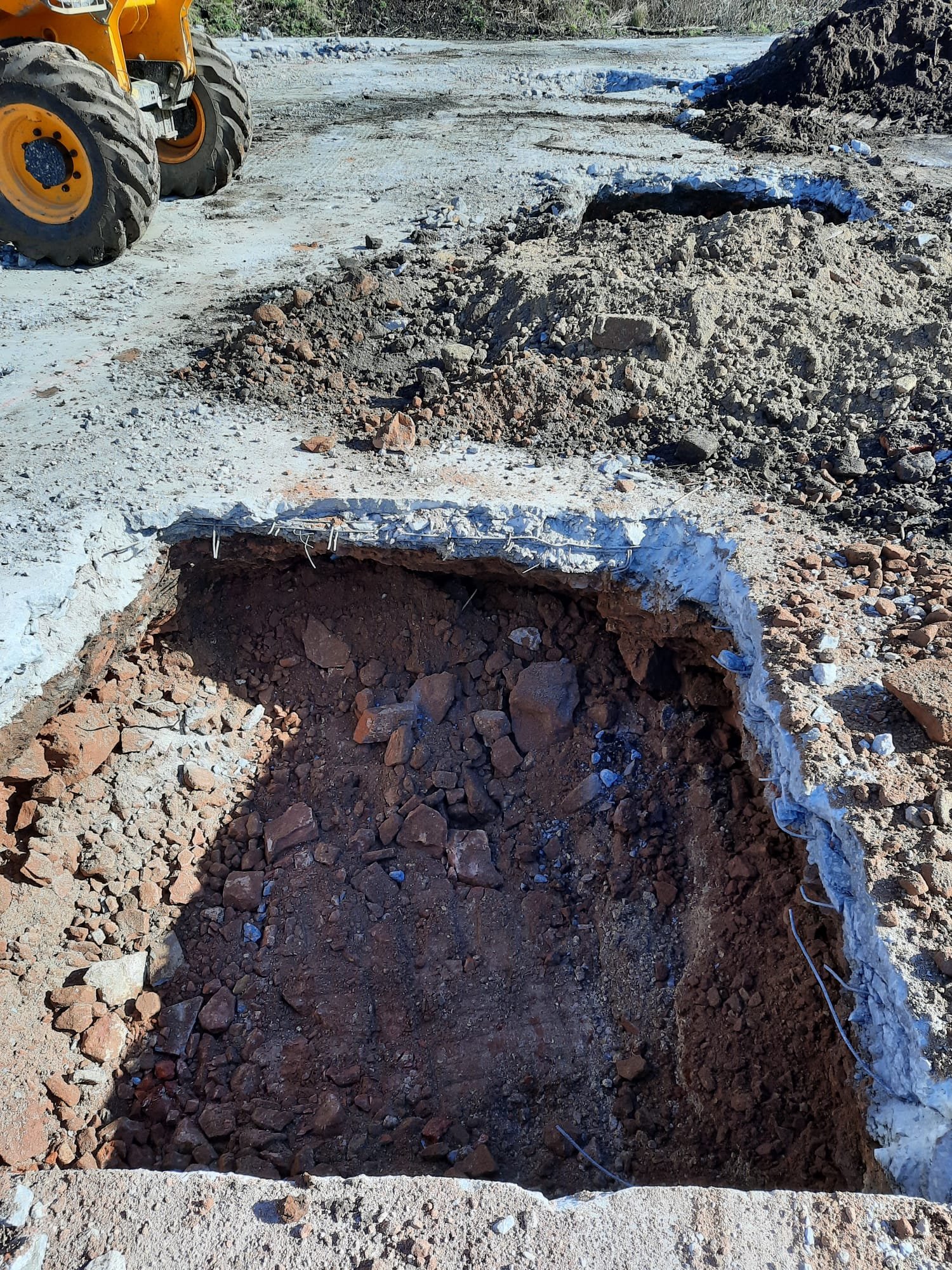
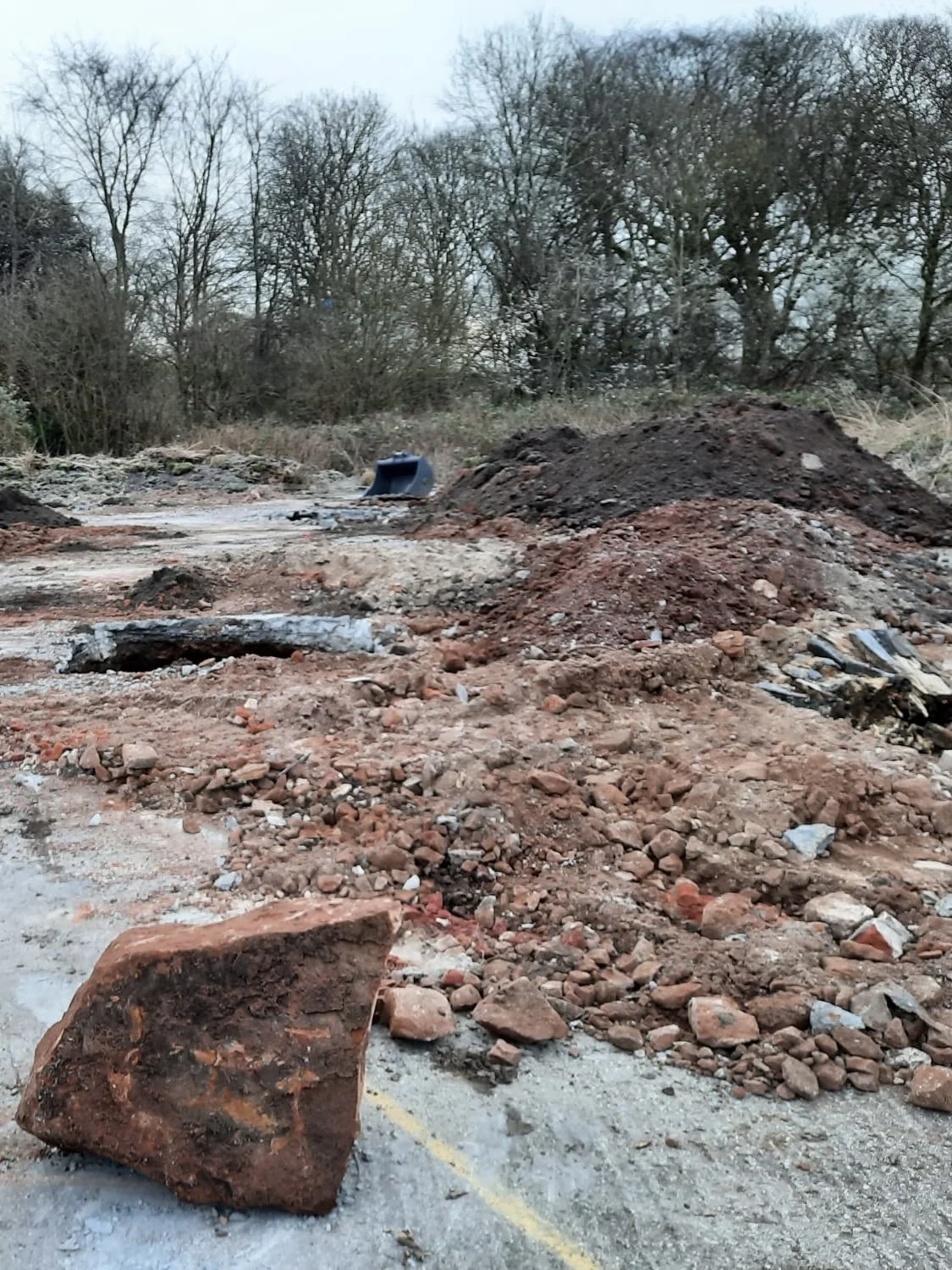
Scope: This was a volunteer project to transform 350m2 of reinforced concrete so that it contributes to the Nature Reserve, both for people and wildlife.
Objectives
-
The main objective was to transform a large area of reinforced concrete into something positive for the Nature Reserve. It had to improve biodiversity, provide space for people and be done on an extremely tight budget.
-
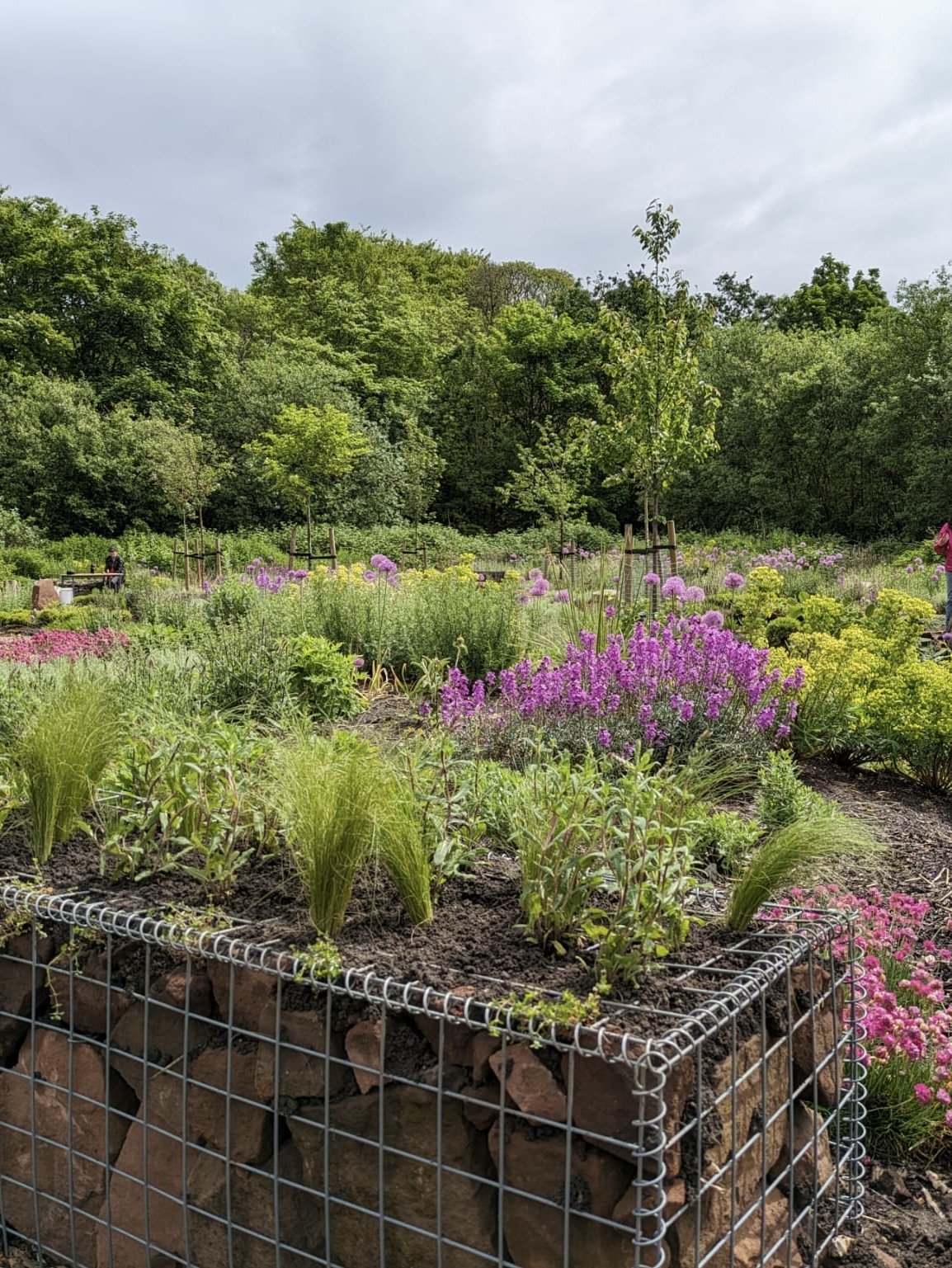
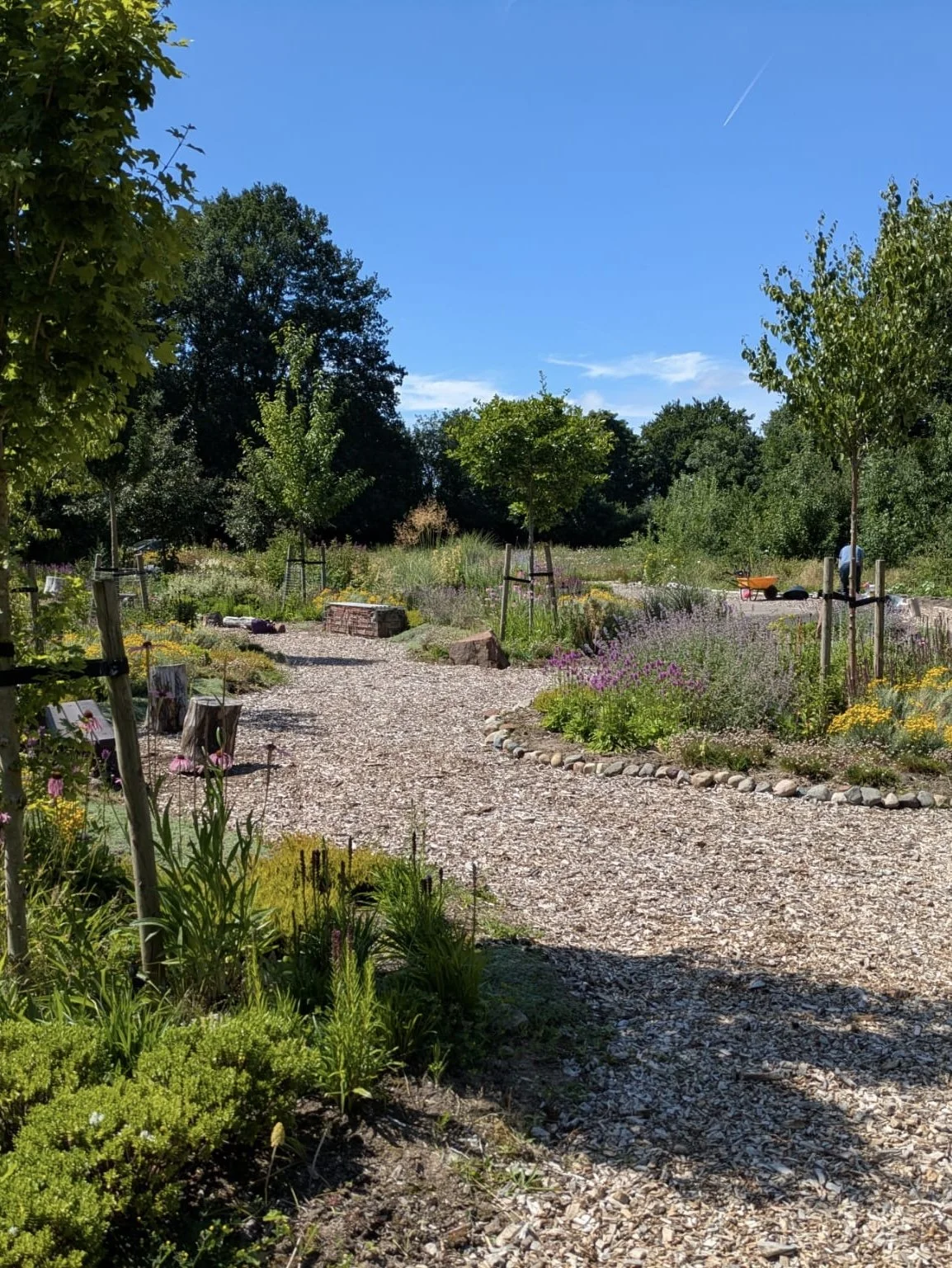
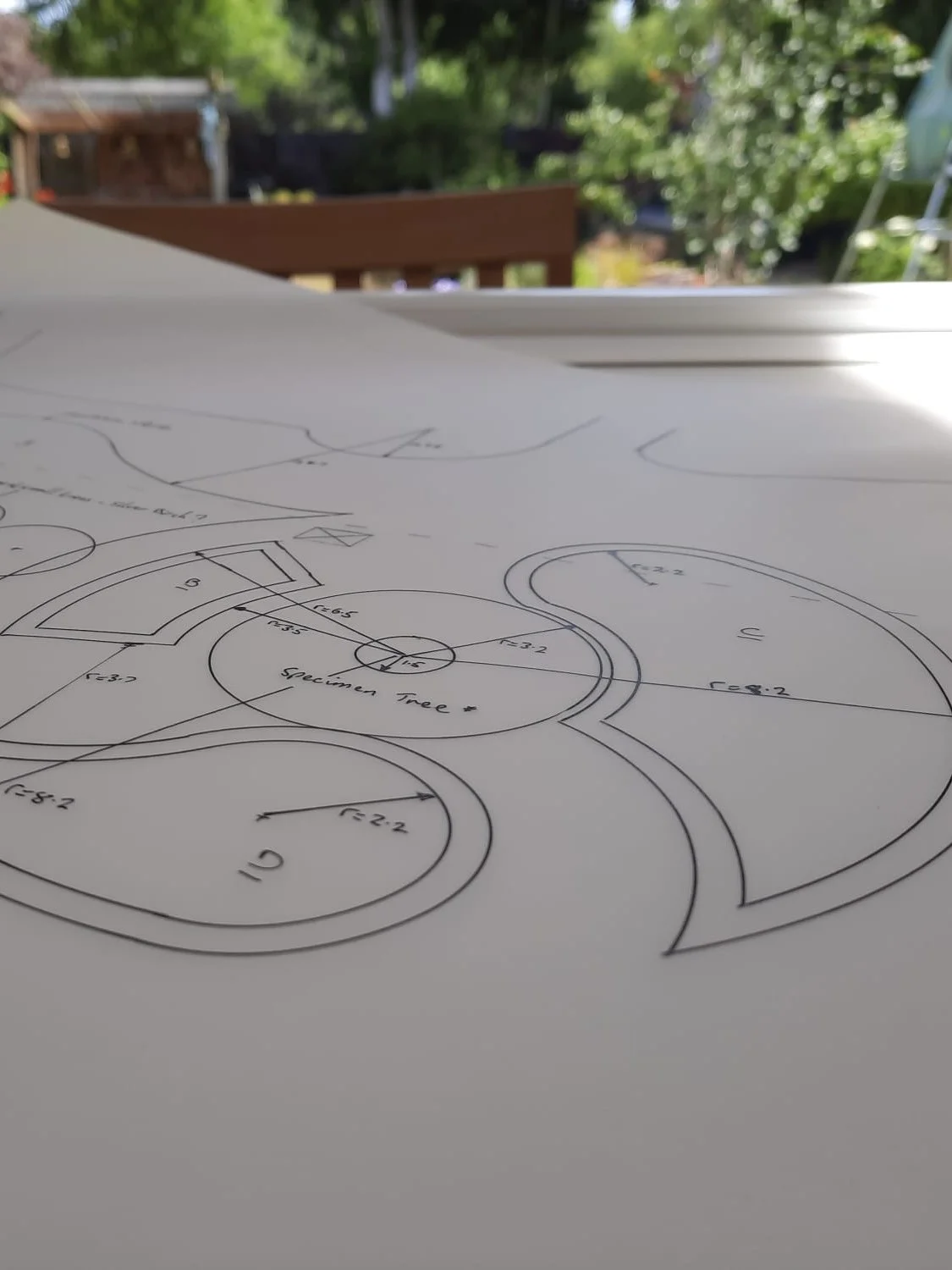
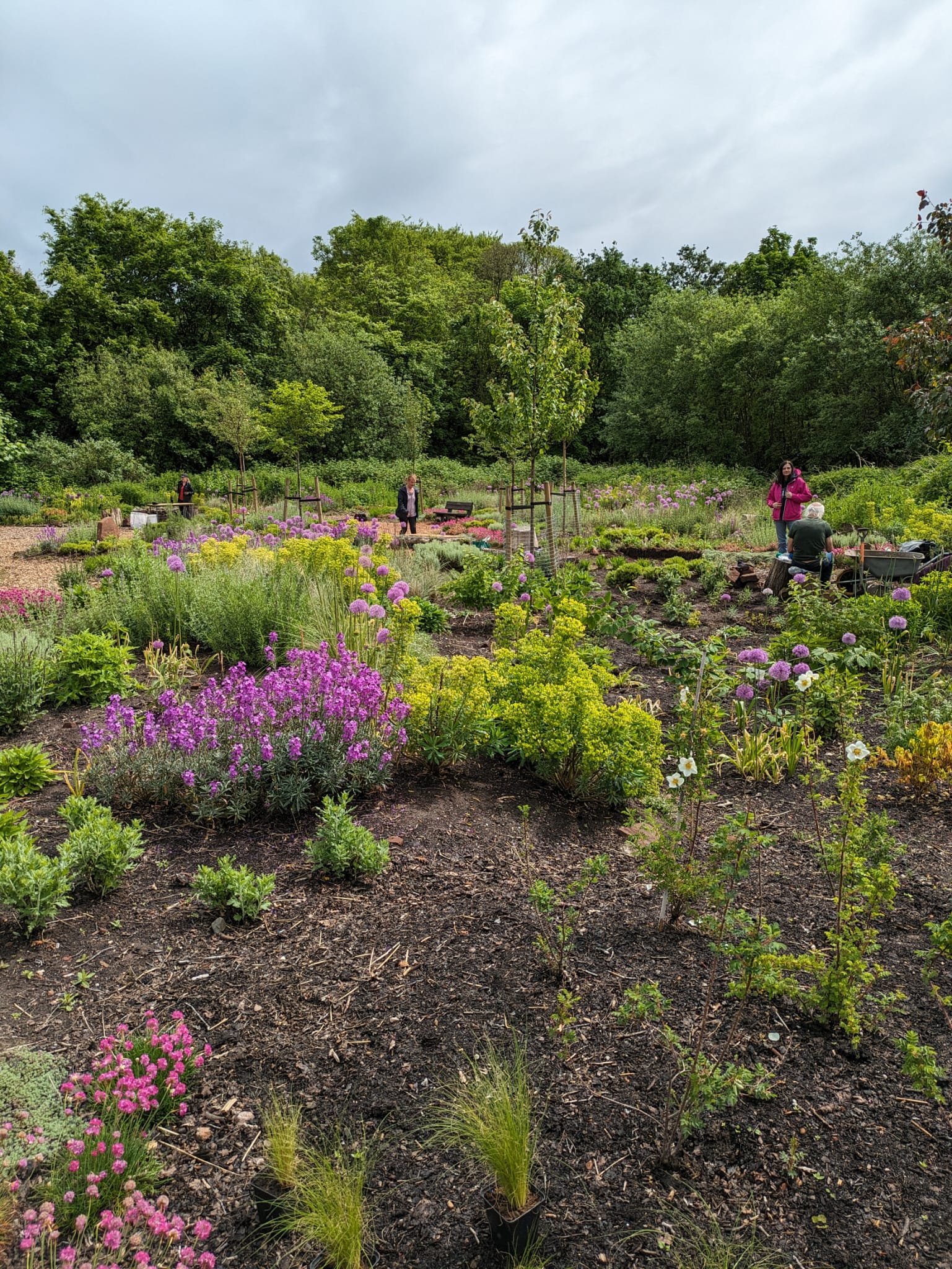
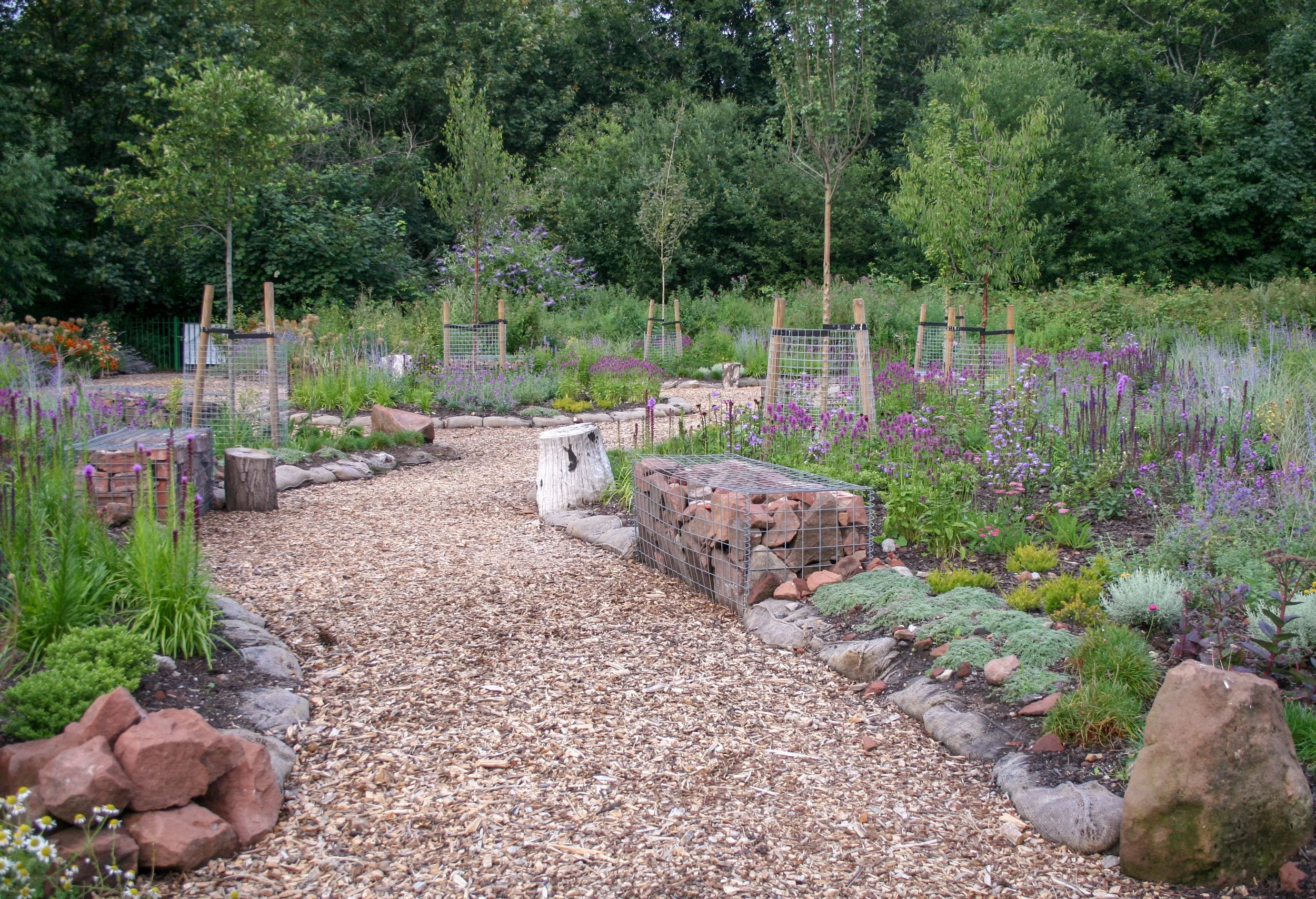
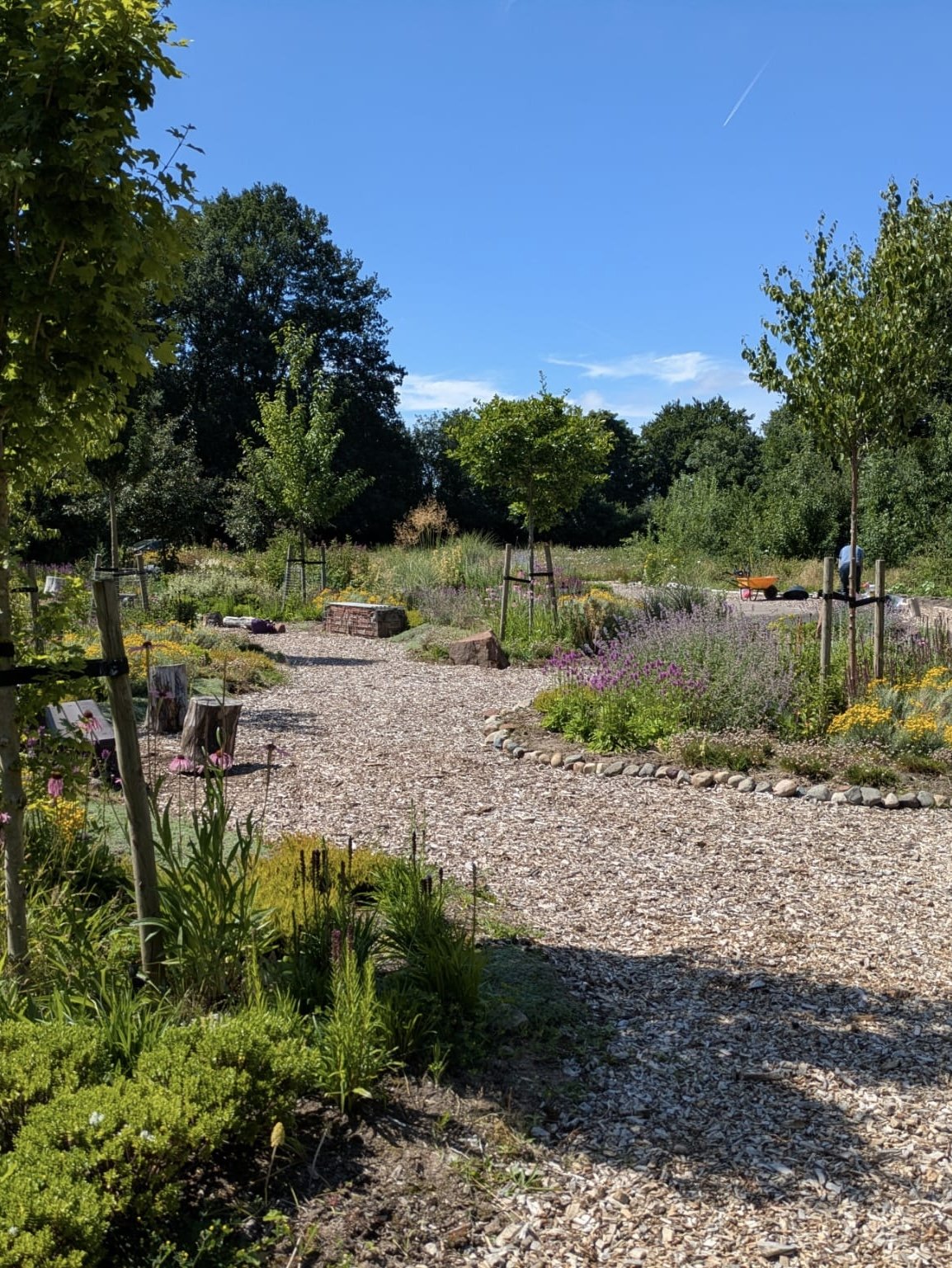
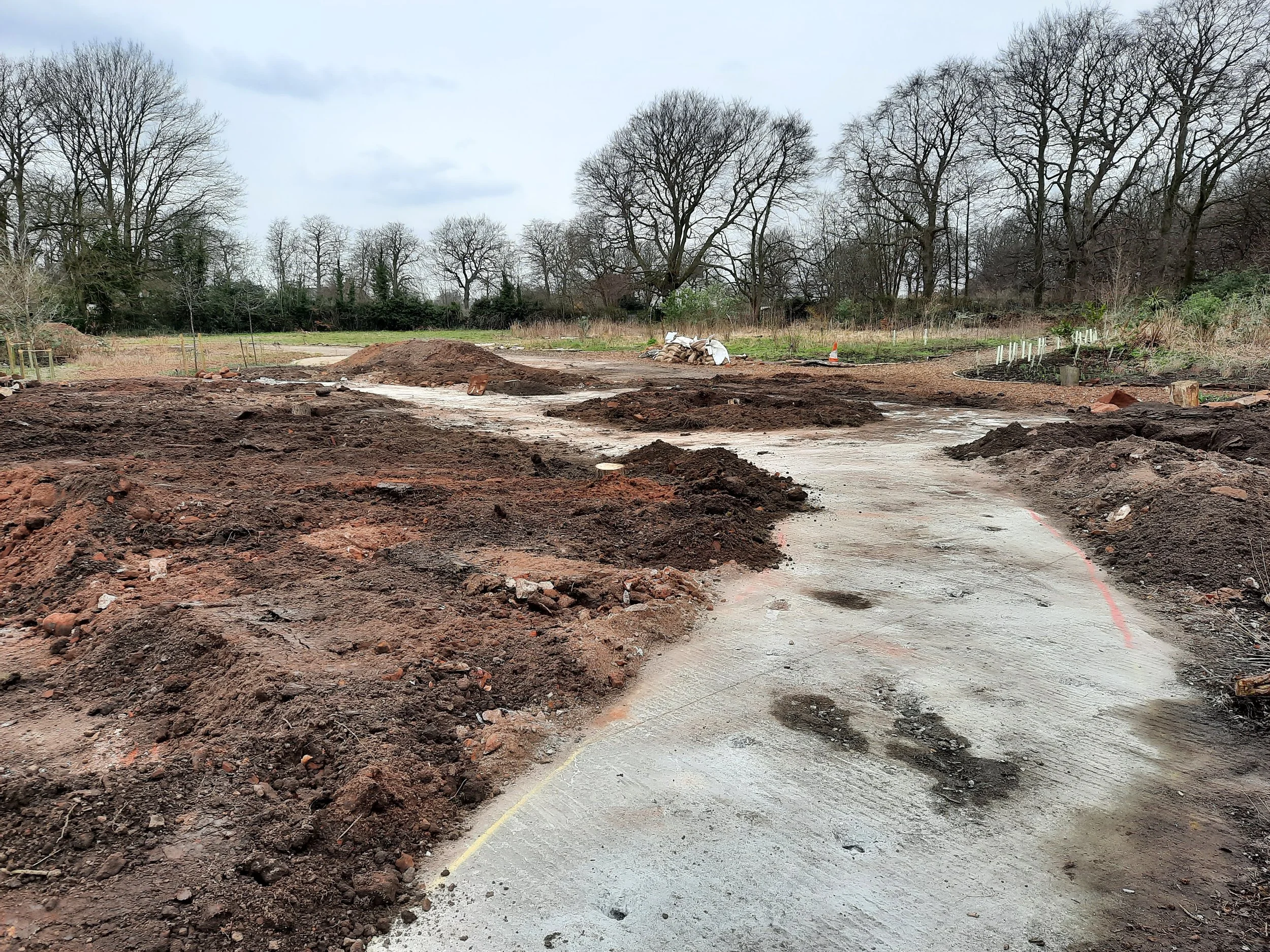
The solution was to excavate a number of tree pits and a pond, using the spoil from the holes as the planting substrate for broad, flowing beds of planting. The trees give height and shade; the planting is drought-tolerant, likes low fertility and has been selected so there is food and habitat year-round to bolster the Nature Reserve’s biodiversity.
Stones excavated were reused either as features or as gabion filling material to create seating.
-
The project provided 9 more trees, 1,600 more plants, 4,500 bulbs, new paths, new seating, and new habitat and food sources. It was a highly sustainable transformation: no material was sent to landfill; it negated the need for 200 tonnes of top soil and 20 tonnes of stone that more traditional solutions would have required.
Planting was carried out by the fantastic Friends of Harthill and Calderstones Park volunteers, who continue to care for and develop it today.
-
The space was right in the middle of the reserve and needed to connect to other areas which had been developed previously.
Paths were created between and effectively linked the different areas, providing multiple routes that people could take around the reserve. Seating allows people to rest and take in the sights and sounds of this special place.
Challenges
-
The primary challenge was the sheer amount of concrete. Excavating it all was unaffordable, and the amount of waste would have been significant.
-
By calculating how much spoil would be generated by digging large tree pits, it was determined that there would be enough material to create planting beds from the spoil, reusing what some may see as a waste product. This reduced the amount of material needing to be bought in, providing a double benefit.
-
Whilst the spoil was very rocky and had been buried under concrete for more than 30 years, it is suitable for Mediterranean plants that natively grow on rocky hillsides where they are baked through summer. By replicating that environment, the palette of plants that could be used confidently was defined, which has been proven by their longevity.